 Innovation starts in the mind, not in the laboratory - so without stimulating R&D and innovation execs minds beyond their current frames of reference, innovation becomes the next best thing - supplier or vendor ideas, packaging and delivery system evolutions, etc. You can't start in the lab and work backward. You have to start in the mind and go forward.

Showing posts with label Disruptive technology. Show all posts
Showing posts with label Disruptive technology. Show all posts
Tuesday, July 22, 2008
BACKSEAT DRIVING WITH HARVARD'S CLAYTON CHRISTENSEN AND DISTRUPTIVE TECHNOLOGIES
Innovation starts in the mind, not in the laboratory - so without stimulating R&D and innovation execs minds beyond their current frames of reference, innovation becomes the next best thing - supplier or vendor ideas, packaging and delivery system evolutions, etc. You can't start in the lab and work backward. You have to start in the mind and go forward.


Saturday, July 19, 2008
TOILET PAPER FOR DIETERS
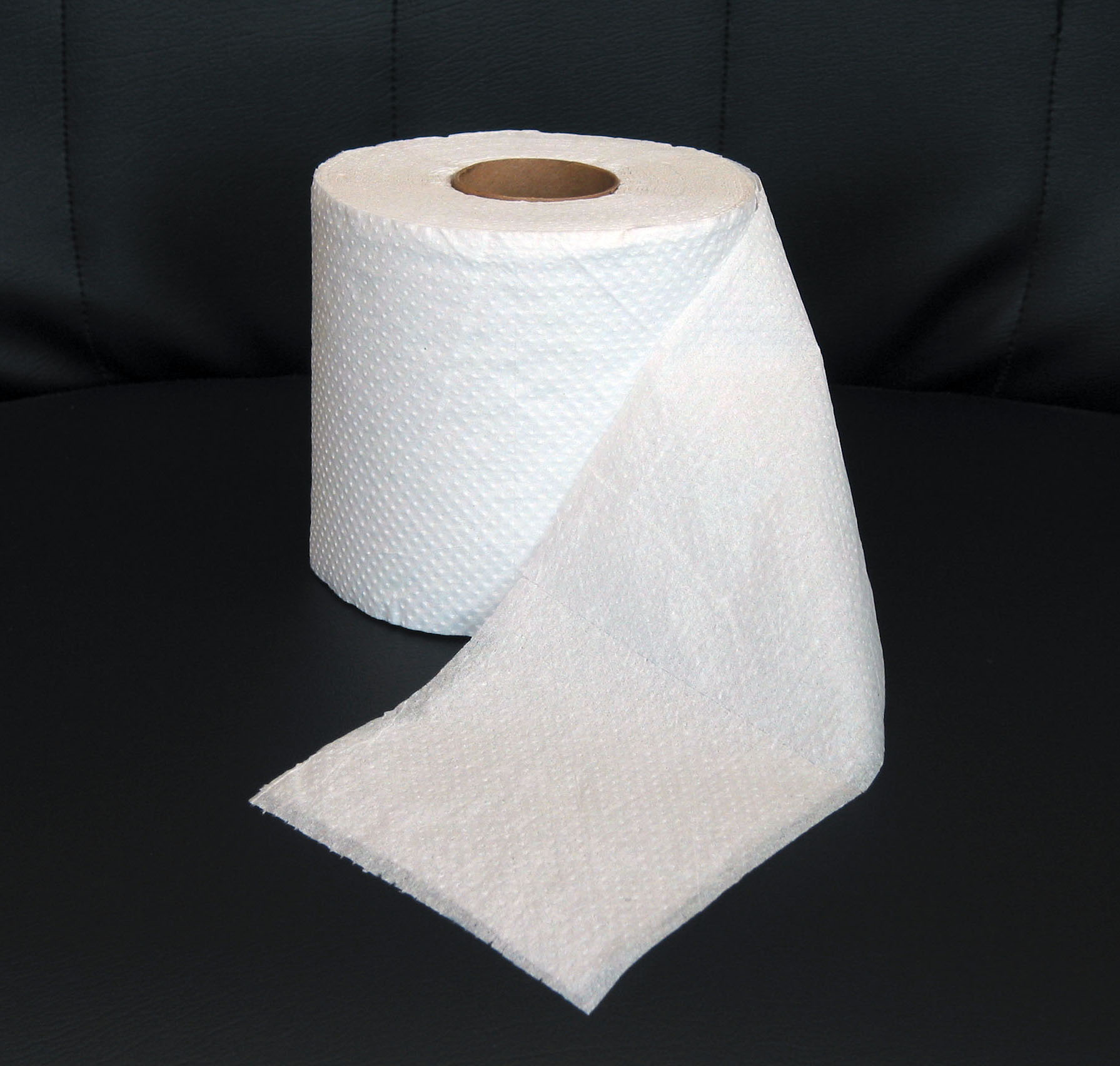 One of the fun things about my job is that I get to have new product thoughts no one else has ever had; And the best part about the best ideas is that they always seem to draw connections between two things that have never been connected before, or that have no reason to be connected in the first place...like toilet paper and dieters. Knowledge is the by product (no pun intended) of my unique job in the consumer packaged goods industry (and believe me, I've learned more from the crappy ideas than from the billion dollar winners) - while everyone else is busy scurrying around gathering and measuring data, I create new knowledge for purposes of strategic innovation, consumer insights and new product concept development - quite a number of which have fallen into the 'heavy-hitter' category over the years, and more into the toilet bowl.
But you want to argue with the notion that no one has ever had the idea of "toilet paper for dieters" before? Maybe someone has - so go ahead and Google it because I couldn't find it. And why shouldn't Americans have the right to purchase "toilet paper for dieters." There's an obesity epidemic in America, so a lot of solid material from over consumption is getting flushed down the bowl while we simultaneously try to eat less. It's like a daily good cop bad cop routine. I stuff my face, then feel guilty about it convincing myself that one less leg of fried chicken or one less Pillsbury dinner roll is going to make a difference. I've been drinking Lite beer for years and it hasn't changed my waistline. I flog myself for a lifetime. Yes, one of my clients has been Jenny Craig.
But back to TP for Dieters. You snicker it's a silly idea. Oh yeah!? You wouldn't if you saw it rolled out by P&G and Charmin or KC and Scott Paper. After all it's been A LONG TIME since anyone innovated in the toilet tissue category. A roll of paper has been a roll of paper for since before your grandfather. People used to laugh at the idea of just having a second cold symptom remedy relief product. Everyone used Dristan and incredulously asked why they might need something else. Then we turned their tablet into a liquid. Prototypes were perceived to do a better job of providing night time tranquility. The day before every Consumer Packaged Goods executive laughed at the idea of segmenting the cold symptom relief category. The day after, they had NyQuil. They stopped laughing because NyQuil took nearly 70 share from Dristan overnight and opened the door for the flood of symptom relievers that followed. We just blazed the trail.
So is TP for Dieters a worthwhile idea? Probably not. Because it is the byproduct of my own mind and not that of consumers, and unless consumers say "make it so" the product has no reason-for-being. But if they did want it what might it be like? Would it be slippery or coarse, thick of thin, smooth like Lays or ridged like Ruffles? And why does it have to be flat? Can it be inserted? Would it change color like pregnancy tests to indicate carbohydrate versus protein metabolizing. How about indicating stool moisture content? (And they said I'd be embarrassed speaking with women about their daily hygiene needs for Maxi Pads and Tampons.) I THINK TOILET PAPER SHOULD BECOME DIAGNOSTIC. There'd be a great market in hospitals alone. Would there be different TP segments for people with different weight loss goals? People who want to loose 20 pounds this year versus 40. Is there a competitive segmentation for dieters on TV - Reality Shows like America's Biggest Loser? And then again, there isn't a single toilet paper that gives me a sensual pleasure. Why shouldn't there be one? Sure would make me feel better about over eating. I wonder if the Kinsey Institute for Research in Sex ever looked into this? Probably not because that's not where young executive minds go. But if a guy from IU can go there I'm sure P&G can too. But maybe again, the idea isn't worth the paper it's written on, and then again, maybe it is. Sure are a few technology patent ideas here if someone in innovation at Procter & Gamble or Kimberly-Clark isn't too busy. Googled that too. No patent filings to date. And they say agency creatives have all the fun creative ideas - or the humanists at companies like Ideo or Frog Design. How many've gone here? I bet zero. Because it's not something you can observe by observing existing consumer habits and practices - so that's where they and Clayton Christiansen's theories of disruptive technologies fall short. You have to be able to envision behaviors that have never previously existed and that is what we alone do with our Abstract Dimensioning Mental Processing.
Let's go on. Please help. Comment!
Thursday, June 05, 2008
My innovation beef with market research
 Why don't I like asking consumers questions? Because I've been exposed to almost forty years of the best and brightest market researchers at companies from Procter & Gamble to Pizza Hut who ask questions. In all that time, the answer to every question only reconfirmed things we already knew - basically reinventing the wheel, which, if I was to focus on advertising is why so much advertising bores or desensitizes us. I found that no one could ask a question they didn't already know the answer to. When new generations of managers asked questions at these companies it was so they could learn everything again for the first time. In companies like Leo Burnett Advertising in Chicago, I've actually seen senior client service executives collect, secret and destroy the work of predecessors to protect their current position from better answers found before their time. I found that when you ask questions, you don't get the voice of the consumer, you get the voice of the inquirer through the question being asked - a form of bias that has led companies from General Mills to General Motors astray, or at least slowed or reduced their innovation return on investment. The root of all this doom and gloom? The fact that none of this question-asking ever stimulated respondent's minds - be they client or consumer - so that they could respond in surprising ways beyond their current frames of reference to hasten the pace of successful innovation and generate a consistent stream of important new disruptive technology and manufacturing patents and consumer new product concepts. So where's the beef? That is, where is the answer found? In processes that proactively stimulate consumer and client minds rather than those methodologies that reactively collect and measure data. In processes that create new knowledge, rather than in those that pre-ordain and then sell syndicated or predefined trends (i.e. Cocooning - let's write a book as a self proclaimed guru then go sell the answer to everyone so they can pull the trigger at a target at point blank range and go nowhere) data such as the existence of new subcultures of our population such as Thrivals or Basics or Adventurers - all those psychobabble social and behavioral target audience definitions that have put the brakes and blinders on so many brands by limiting their appeal through their contrived application (i.e.: Type A Strivers shilling for Cadillac). Or all those touchy-feeley product design firms who observe the here and now creating new Swiffers that do nothing more than replace old mops and refrigerators. Making the old look new. That's not innovation.
Thursday, May 31, 2007
Disruptive Technology
Subscribe to:
Posts (Atom)



 Posts


